
Card surcharges end on 1 October. Here is what changes for your bills
The RBA is removing card surcharging from 1 October. What actually changes, and what it means for paying bills.

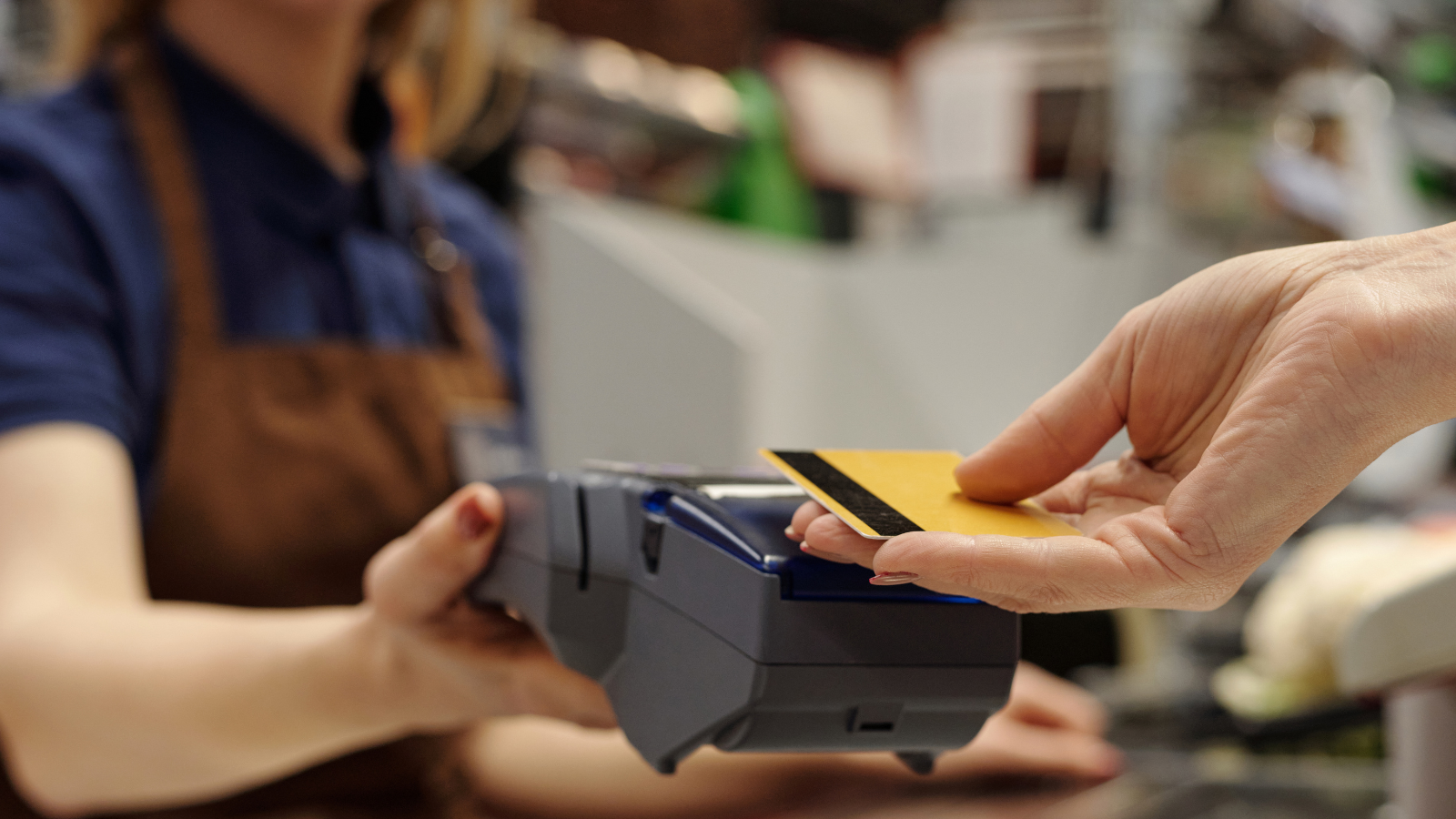
If you have paid for a coffee lately and watched an extra 1.5 per cent appear at the terminal, you have met a card surcharge. From 1 October 2026 those disappear from most Australian checkouts. The Reserve Bank has finished a two-year review of what card payments cost, and this is the headline outcome.
The short version
- From 1 October 2026, businesses cannot add a separate card surcharge on eftpos, Mastercard or Visa payments.
- American Express has said it will remove surcharging from the same date.
- The change covers card surcharges only. Booking fees, service fees and weekend loadings are not affected.
- It does not make a biller start accepting cards if they never did.
What is actually changing
The Reserve Bank has decided it is in the public interest to remove surcharging across the three card networks it regulates, being eftpos, Mastercard and Visa. Rather than banning surcharges directly, it has lifted the rule that stopped those networks from banning them. All three have said they will introduce no-surcharge rules from 1 October 2026.
American Express is not formally regulated by the Reserve Bank, but has decided to remove surcharging on the same date.
Two other things happen alongside it. Caps on interchange fees, which are the fees a business’s bank pays to the card issuer, are coming down. And card networks and large acquirers will have to publish what they charge, so businesses can compare providers properly for the first time.
What it does not change
The reform is narrower than “surcharges are banned” suggests. It applies to surcharges added because a customer paid by card, on those specific networks. Weekend surcharges, public holiday surcharges, booking fees and service fees sit outside it and are governed separately by the ACCC.
It also does not mean card payments suddenly cost businesses nothing. Businesses still pay to accept cards. What changes is that the cost has to sit inside the price rather than appear as a separate line at checkout.
Worth knowing. The date that matters is when the payment happens, not when the invoice was issued. A card payment made on or after 1 October 2026 falls under the new rules even if the bill arrived in September.
The bills that were never on the list
Here is the part the coverage tends to skip. A surcharge only exists where cards are accepted in the first place, and a lot of the biggest bills in a household never took them.
Rates notices. Rent. Tradie invoices. School fees. Body corporate levies. Plenty of BPAY-only billers. For these, 1 October changes nothing, because there was never a card surcharge to remove. The card was simply not an option.
That is the gap Sniip was built for, and it is unaffected by the reform.
Paying by card through Sniip
Sniip lets you pay bills with the payment method you choose, including a credit card, even where the biller does not accept cards directly. You enter the bill, choose how to pay, and the biller receives the funds the way they normally would.
There is a small processing fee shown before you confirm. That has always been the arrangement, and it is what makes paying a BPAY-only bill by card possible at all.
The other reason people use it is points. Pay a bill with a rewards card through Sniip and you keep earning your card’s rewards on spending that would otherwise have gone out by bank transfer.
Your bills could be earning more
Points Booster lets you lift the earn rate on any single payment, up to 4 points per $1.
See how it worksWhat to do before 1 October
For most people, nothing. If you pay by card at a shop or a cafe, the surcharge line will stop appearing and that is the whole experience.
If you run a business and currently pass card costs on at the checkout, this one is worth a conversation with your payment provider now rather than in late September. Terminals and online checkouts need reconfiguring, and pricing needs a look.
And if a chunk of your bills have never accepted cards, that is unchanged either way. Worth knowing what your options are.
You can read the Reserve Bank’s own explainer at rba.gov.au.
The information in this article is general in nature and does not take your objectives, financial situation or needs into account. Fees, conditions and eligibility criteria apply. Points are credited to your nominated Qantas Frequent Flyer or Velocity account.

Pay your bills, keep your points
Pay any BPAY or non-BPAY bill with the card of your choice and still earn your card’s rewards.